

In Learned, step back in time with a century-old store
In Learned, step back in time with a century-old store
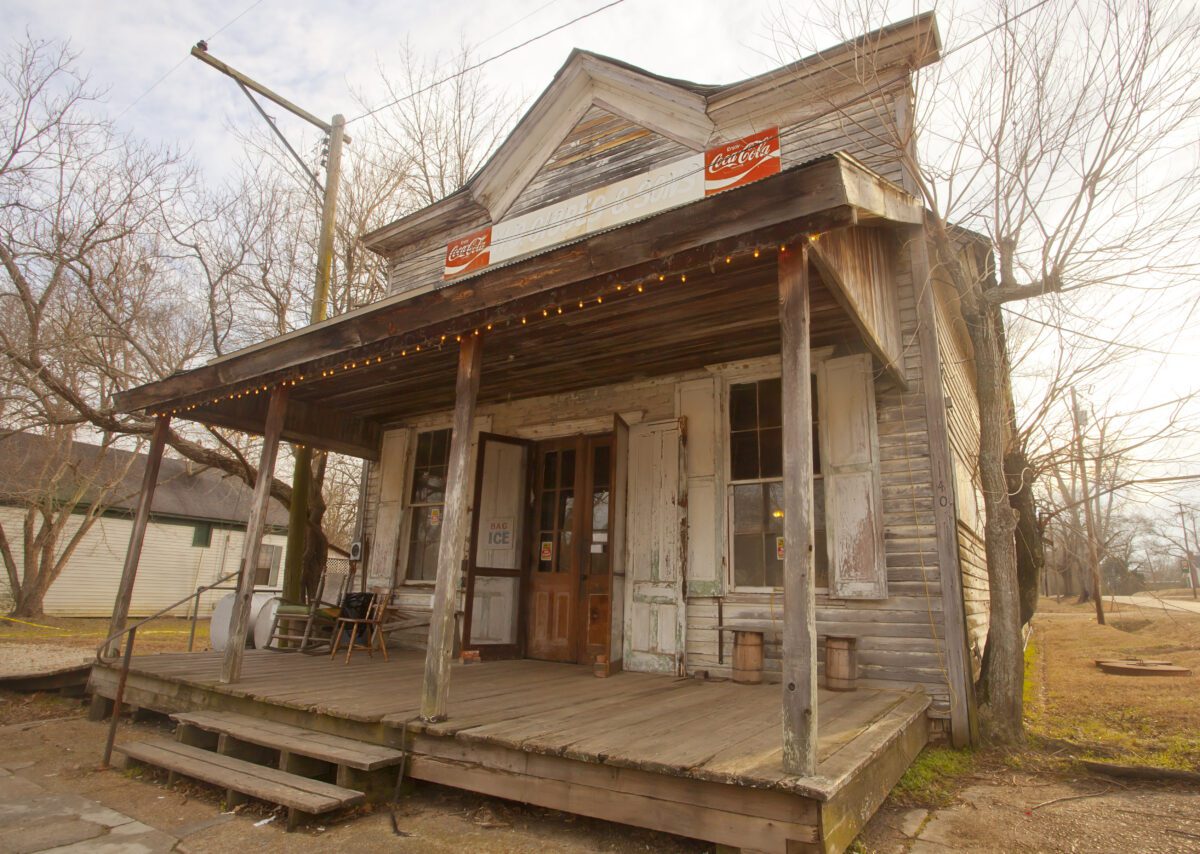
The worn wooden planks of the front porch, the peeling paint and the sun-faded sign are good indications the old store that is the flagship of a small Mississippi town hasn’t changed much in its 115 years.
“The experience of family-style dining makes it interesting. You never know who will be seated next to you. A couple sat next to us one time, and they did not know that the Gibbeses accept only cash or checks. The gentleman was embarrassed and even more upset when they told him there was no ATM in Learned. Chip and Mary Bell offered to send him a bill for dinner, but I picked up their check. The guy tracked me down, called and sent a thank-you note. I told him to pick up a bill for someone next time he was at a restaurant. It was the kind of thing that only happens in Mississippi.” — William Furlong, a Gibbes regular
Remnants of the store’s early years — antique signs and lanterns and rusted containers are proudly juxtaposed on display shelves with today’s canned goods, hand sanitizer and dryer sheets.
H.D. Gibbes & Sons, or Gibbes’ Store, is by day a convenience store in the quaint community of Learned, a rural town in south Hinds County with fewer than 100 people. Easily, it could be mistaken for a museum — with plenty of history to spare, said owner Chip Gibbes.
“I haven’t bought any of this stuff. It was just here,” he said, pointing out the rare collectibles, such as the general store ladder and original cash register, both still in use. “It functions kind of like a family museum.”
Because Learned “missed its growth spurt” when Mississippi 18 was built and passed the former railroad town by two miles, demands for the store and all Learned businesses, for that matter, dwindled. In fact, Gibbes’ Store is the lone business in this bedroom community, home to nothing more than a few churches and “a farmer or two.” Three blocks from the store is Oakley Youth Development Center, Mississippi’s juvenile correctional facility for children and teens. And, just down the road is Rebul Academy, a 40-year-old private Christian academy.
To keep their business going, Chip and his wife, Mary Bell, turned to their love of food and entertaining.
Lunch has been available for 25 years, but, in the past five years, Gibbes’ has become a hot spot for dining and gathering on Thursday, Friday and Saturday nights. Steak, lamb chops and seafood paired with homemade potato and vegetable concoctions that would delight a seasoned foodie come served on a doubled-up Chinette plate.
“It is by far the best food I have eaten off of a paper plate,” said William Furlong, who drives about 30 miles from Vicksburg for Gibbes’ grub once a week. “I love the simplicity of the food and the extreme high quality. The steaks are amazing. They cook on a charcoal grill, which gives the steaks a flavor hard to find anywhere.”
Mary Bell said she is surprised by the overwhelming response to the family operation.
“Feb. 23 marked our fifth anniversary — who would have ever thought?” she said. “I’m very proud of the job we’ve done and the reputation we’ve established.”
Chip is the fourth generation of the Gibbes family to own and operate the store. While the look — both inside and out — has changed little, the business has evolved to suit the needs of the customers, visitors from across Central Mississippi who drive to experience the century-old treasure.
The store was built around 1891 and purchased by Chip’s great-grandfather in 1899 as a furnishing merchant store, one of four in Learned. The rural “furnishing” merchant provided seasonal credit to families with supplies.
“Back then, country banks dealt in goods, not money,” he said. “It was very important to the economy, because it was hard to borrow money.”
The store offered pretty much everything the people of Learned couldn’t create or grow — sewing accessories, auto parts, coffee, flour.
“We had anything you couldn’t make, and if it wasn’t here, you probably didn’t need it,” Chip said.
In the 1930s, Gibbes’ Store became more of a general mercantile store and, during World War II, changed to be a commissary for farmers, who bought supplies there and used the building for storage.
“Little by little, the concept of the convenience store came along,” Chip said.
Gas, chips, hamburgers, cold beer and soft drinks pulled from the old-timey cooler are the going items for locals and travelers until the weekend rolls around. Visitors experience top-notch cuisine and a different, if not unique, dining experience. They gladly wait their turn — often grabbing a cold one from the cooler and passing the time on the front porch — to sit among strangers at one of the long pine “community” tables where food is served.
“It’s amazing how far people will drive,” Chip said. “I guess it’s the nostalgia of the old store. It’s just a day gone by — it’s a very relaxed atmosphere, and it’s not pretentious.”
In fact, that gritty nostalgia is a big draw, so much so, Chip said, that some customers criticized him for adding heating and cooling to the wooden building that often was unbearable for dining in the heat of the summer or the cold of the winter. And, just as he keeps the Chinette dinnerware, he wouldn’t think of bringing in cloth napkins to replace the rough paper towels found on rolls on each table. They are, after all, part of the Gibbes experience.
“We try to keep it unique,” said Chip, the friendly, white-haired 66-year-old who tends the grill and greets customers. “The hardest job is not to change it so it loses its character. We could make it more efficient, but it wouldn’t be H.D. Gibbes & Sons.”
William, who regularly introduces family, friends and work colleagues to the Gibbes experience, agrees: “You can’t make this stuff up.”
The Gibbeses even have been offered money for the likely century-old cobwebs that hang from the beaded, heart of pine ceiling — proof that the store’s customers are fascinated with its authenticity.
Although the food — meat cooked on a charcoal grill and side-dishes perfected through generations of recipes and a history of hosting weekly dinner parties — is a large part of what keeps the old place hopping, it’s not what Chip wants his family legacy to be.
“We’re much more proud of it being a store,” he said. “We’re a store that happens to serve food.”
